

Keywords: personality disorders – therapeutic adherence – treatment adherence – drop-out – mental health services – Community Mental Health Centre – psychotherapy – follow-up
Abstract: The scientific literature agrees in recognizing that personality disorders, together with their personological characteristics, often represent complex clinical conditions characterized by emotional and relational instability, difficulties in impulse control, and impaired ability to maintain stable bonds. These elements represent relevant risk factors for treatment adherence, with significant repercussions on the therapeutic alliance and compliance. These critical issues are particularly relevant in the context of Italian public mental health care, especially within CSM (in English: CMHCs – Community Mental Health Centres), which constitute the core of community-based care, offering integrated psychotherapeutic, psychiatric, nursing, rehabilitative, and social-care interventions. In light of the above, the present paper reports an observational study conducted at a CMHC in the Lazio Region, with the aim of analysing treatment adherence in a sample of adult patients diagnosed with personality disorder according to DSM-5 criteria. The data collected concerned 57 patients over a six-month observational period. Information was obtained indirectly through data provided by the treating team and through the analysis of clinical records. Treatment adherence was measured as the ratio between scheduled appointments and those actually attended, distinguishing psychotherapeutic sessions from monthly psychiatric follow-up visits. The main objective of the study was to assess whether and to what extent the complexity of clinical presentations affects therapeutic adherence – psychotherapeutic treatment and/or psychiatric treatment – and the risk of drop-out. Further objectives included exploring possible differences between psychotherapeutic pathways and psychiatric follow-up visits, as well as analysing the relationship between symptom severity, level of global functioning – measured using the HoNOS and VGF scales (in English: GAF – Global Assessment of Functioning) and treatment adherence. Possible associations with sociodemographic and clinical variables, such as age, educational level, and previous familiarity with the service, were also considered. One of the main findings of the present study highlights that, where a structured psychotherapy pathway is present, a higher level of adherence is observed. Overall, the results seem to suggest the need for greater investment in structured psychotherapeutic pathways, which are widely recognized as the recommended treatment for personality disorders, while pharmacotherapy is generally indicated as a supportive intervention in the management of acute phases (Leichsenring et al., 2024; NICE, 2009; Istituto Superiore di Sanità, 2024). This consideration should, however, be interpreted in light of some methodological limitations, mainly related to the observational nature of the study, the small sample size, and the fact that the data were drawn from a single community-based service. These elements do not allow statistically generalizable inferences to the entire population of patients with personality disorders, but they nevertheless make it possible to formulate clinically useful considerations to guide further investigation. Taken together, these findings highlight the importance of promoting stable, structured, and containing therapeutic settings, with the aim of fostering the therapeutic alliance and continuity of care, reducing the risk of clinical decompensation and, consequently, limiting the use of emergency services, namely Emergency Department visits and admissions to Psychiatric Diagnosis and Treatment Services.
Introduction
Treatment adherence represents one of the main determinants of clinical outcomes in mental disorders and constitutes a public health priority, as emphasized by the World Health Organization (WHO), which defines it as the extent to which a patient’s behaviour corresponds with the recommendations agreed upon with healthcare professionals. In several chronic psychiatric disorders, non-adherence rates are high and often exceed 50%, with relevant consequences in terms of clinical worsening, increased hospitalizations, and greater use of healthcare resources (Sabaté, 2003).
Within this framework, personality disorders represent a clinical population that is particularly vulnerable to drop-out and therapeutic discontinuity. These conditions are characterized by pervasive and inflexible patterns of affective, cognitive, and relational functioning, emotional instability, impulsivity, and difficulties in building and maintaining meaningful relationships, including the therapeutic relationship (American Psychiatric Association, 2013; Leichsenring et al., 2024), in line with theoretical models emphasizing the role of attachment and reflective functioning in affect regulation and the organization of the Self (Fonagy & Target, 2001).
Numerous studies have shown that, in patients with personality disorders, the risk of early treatment discontinuation was higher than in other diagnostic categories, especially in unstructured pathways or in those mainly based on pharmacological follow-up alone (Zanarini et al., 2015; Pec et al., 2021).
In particular, Borderline Personality Disorder (BPD) has been associated with high rates of drop-out, acting-out, and ruptures in the therapeutic alliance; however, more recent evidence suggests that, in the presence of structured psychotherapeutic programmes, adherence may be comparable to or even higher than that observed in pharmacotherapy (Mirhaj Mohammadabadi et al., 2022). It is important to underline that adherence cannot be considered a unidimensional variable, but rather emerges from the interaction between personological factors, the quality of the therapeutic alliance, clinical severity, global functioning, and organizational characteristics of the treatment setting (Safran & Muran, 2000; Fonagy et al., 2002; Szabó et al., 2022).
Studies conducted within community mental health services have found that the presence of a clear, predictable, and shared therapeutic framework, with defined goals and session frequency, promoted greater continuity of treatment even in patients with complex clinical presentations (Dimaggio & Semerari, 2015; Storebø et al., 2020).
In light of this evidence, it is particularly important to investigate treatment adherence in the real-world contexts of public services, such as CMHCs, as they represent the key hub of community-based care for patients with personality disorders. Understanding patterns of participation in psychotherapeutic and psychiatric treatments, as well as the factors associated with continuity or discontinuation of care pathways, appears crucial for guiding clinical and organizational interventions aimed at preventing drop-out and promoting therapeutic engagement.
National and international literature emphasizes how these characteristics significantly affect prognosis and clinical management, framing personality disorders, particularly those in Cluster B, as conditions with a high impact on mental health services (Chiesa et al., 2000; Paris, 2004; Dimaggio & Semerari, 2015).
Methodology and instruments
The CMHC in which the present observational study was conducted follows a structured organizational model regulating patients’ access to “assunzione in cura” (care intake) and “presa in carico” (multidisciplinary care management) pathways for users with complex mental disorders, including severe mood disorders, severe personality disorders, psychotic-schizophrenic spectrum disorders, and bipolar disorders. The service is addressed to adult patients, with an age range approximately between 18 and 75 years.
At the time of access to the service, the patient interfaces with the nursing staff. Requests are received every day, both in the morning and afternoon, according to predefined opening hours, in order to ensure continuity of care. Following the patient’s request, the nursing staff conducts an initial intake and triage interview. During this phase, the nature of the intervention is assessed, whether urgent or deferrable. If indicators of urgency or acute risk emerge, the person is immediately referred to the on-call psychiatrist and managed as a priority. In non-urgent cases, instead, an appointment is scheduled for a first specialist visit, either psychiatric or psychological. Subsequently, all first visits are discussed during weekly meetings with all treating professionals, in order to define each patient’s individualized therapeutic plan. Specifically, these requests are directed towards care pathways differentiated according to complexity into “assunzione in cura” (in English: care intake) and “presa in carico” (in English: multidisciplinary care management). For psychotherapeutic “assunzione in cura”, fortnightly or weekly sessions are planned, whereas for psychiatric visits a follow-up frequency of one visit every 30 days is generally considered adequate as a reference range. In “presa in carico”, instead, the project involves a multidisciplinary team – psychiatrist, psychologist, social worker, and CPSI (registered nurse) – which jointly defines a therapeutic care plan suitable to respond to the user’s complex needs, also including, where necessary, placement in intermediate facilities, such as C.D. (day care center) and intensive or extensive S.R.P. (Psychiatric Residential Facilities with different levels of care intensity). Data collection was carried out on a patient group undergoing treatment at a Community Mental Health Centre in the Lazio Region, during an initial observation period of approximately six months. The data of the present study were obtained indirectly, namely through information provided by the treating team responsible for the patient’s care and extracted from clinical records. These data were processed anonymously, in compliance with current legislation on privacy protection. Since this was a retrospective analysis of clinical data already collected as part of routine care and devoid of identifying elements, specific approval from the Ethics Committee was not required. The study sample consisted of 57 patients who were enrolled in a clinical pathway at the service with a minimum expected duration of at least six months, involving either or both of the main treating professionals, namely the psychiatrist and/or the psychotherapist. All subjects had a diagnosis of personality disorder, formulated by the reference clinician according to the criteria of the Diagnostic and Statistical Manual of Mental Disorders (DSM-5). Patients with diagnoses other than personality disorders were excluded from the study cohort, as were those who did not reach the minimum observation period, with the exception of subjects who voluntarily discontinued treatment before the expected endpoint. For psychotherapeutic pathways, adherence was calculated as the ratio between the number of scheduled sessions and the number of sessions actually attended; for psychiatric follow-up visits, instead, it was calculated as the ratio between scheduled visits – one per month – and visits actually attended by the patient. In the sample considered (n = 57), there were 37 women (64.9%) and 20 men (35.1%) (see Figure 1).
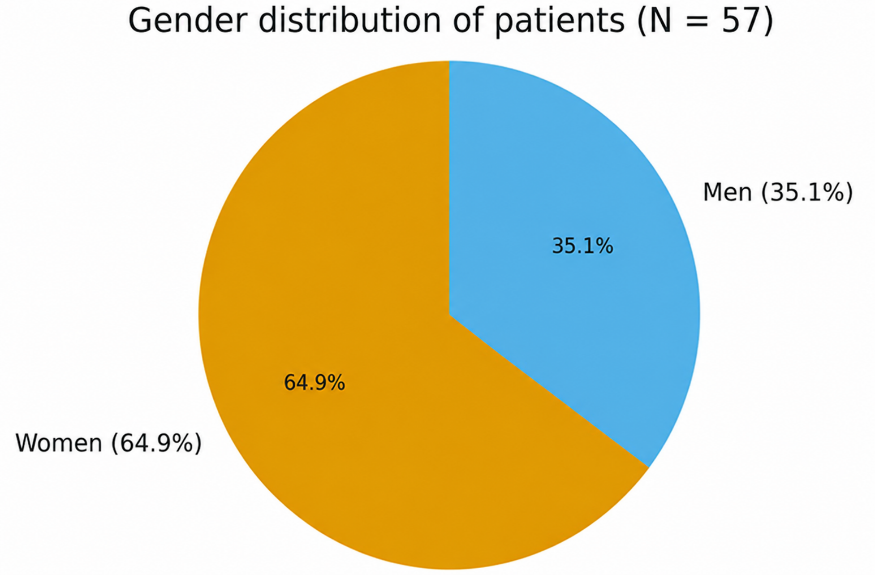 Figure 1 – Gender of the subjects
Participants’ age at the time of access to the service ranged from 19 to 60 years, with a mean age of 36.8 years (see Figure 2).
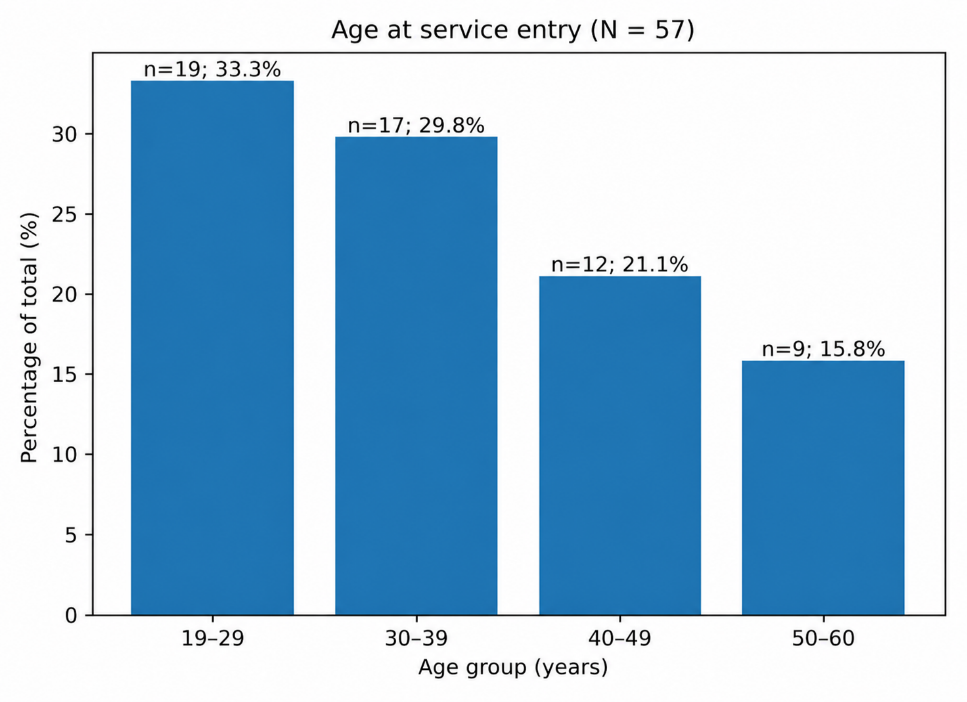
Figure 2 – Age at service entry
With regard to the educational qualification attained by the subjects, the following was observed:
1 patient had no educational qualification (1.8%), 13 patients had a lower secondary school qualification (22.8%), 33 had an upper secondary school diploma (57.9%), and 10 had a bachelor’s and/or master’s degree (17.5%) – see Figure 3.
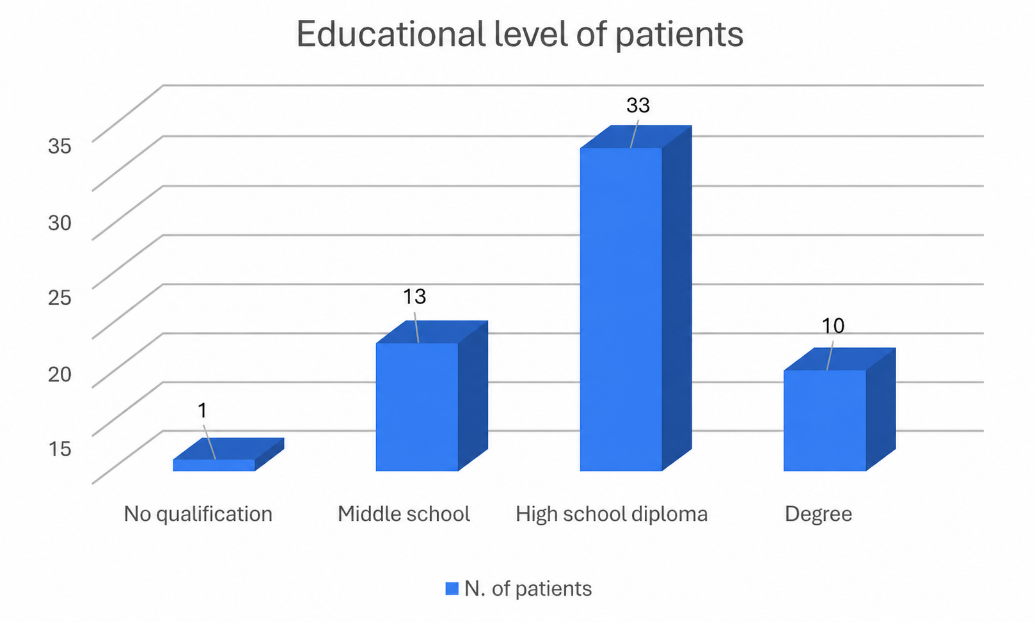
Figure 3 – Educational level of patients
The type of cohabitation of the subjects was extremely heterogeneous, but can be grouped into the following macro-categories:
• 15 patients lived with their spouse (26.3%);
• 4 patients lived with their spouse and children (7.0%);
• 20 patients lived with their parents, or with only one parent (35.1%);
• 3 patients lived with their own children (5.3%);
• 4 patients lived with flatmates (7.0%);
• 9 patients lived alone (15.8%);
• 1 patient lived with their sister (1.8%) and 1 patient with their grandparents (1.8%) – see Figure 4.
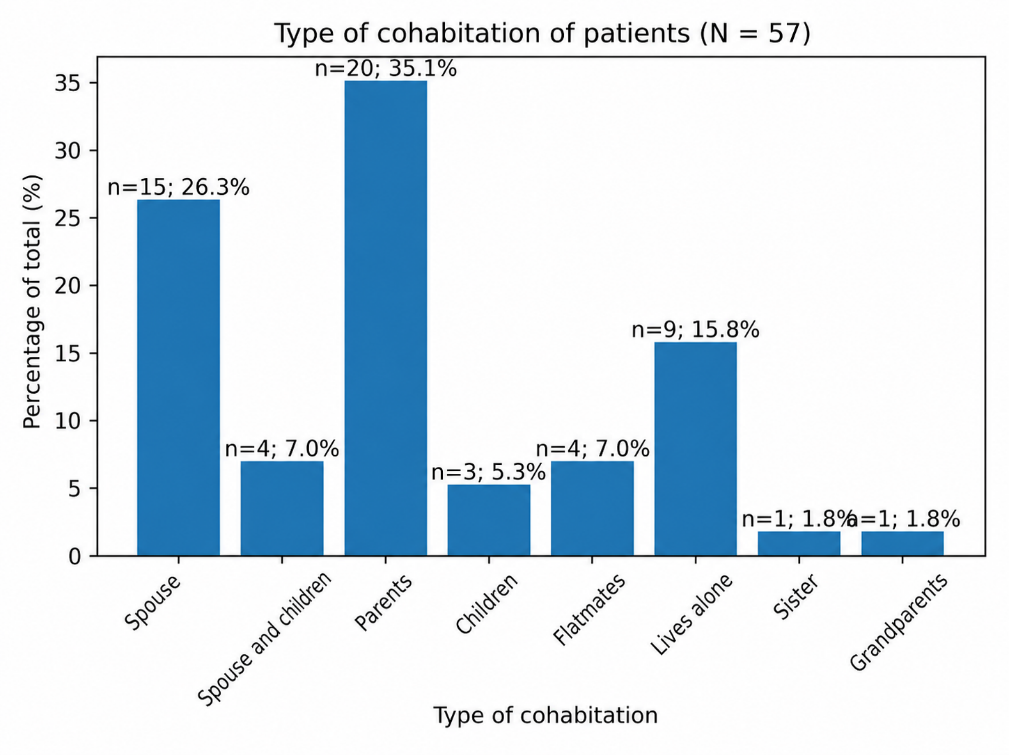
Figure 4 – Type of cohabitation
With regard to the modes of access to the service, self-referral was predominant in the sample, involving 37 patients (64.9%). Access through SPDC involved a total of 18 patients (31.6%). Referrals from other psychiatric services due to changes of residence were less frequent, involving 1 patient (1.8%), as were accesses through social services, also corresponding to 1 patient (1.8%). An illustrative chart is provided below (see Figure 5):
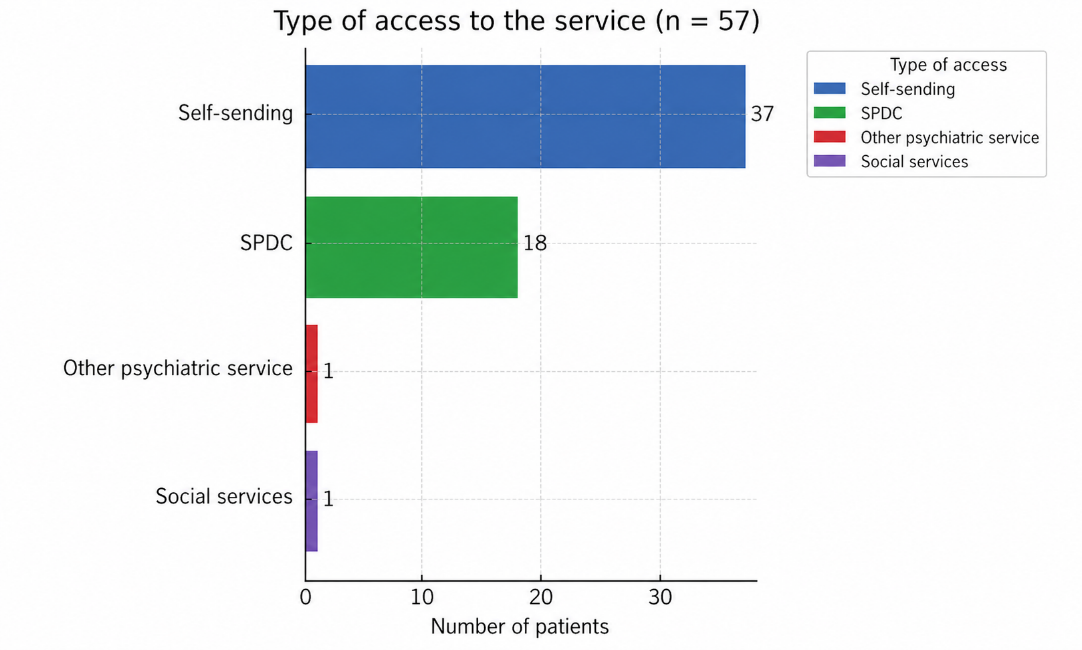
Figure 5 – Type of access to the service
Among the 57 patients, 31 attended psychotherapy sessions only (54.4%), 20 attended psychiatric visits only (35.1%), and 6 followed an integrated pathway (10.5%) – see Figure 6.
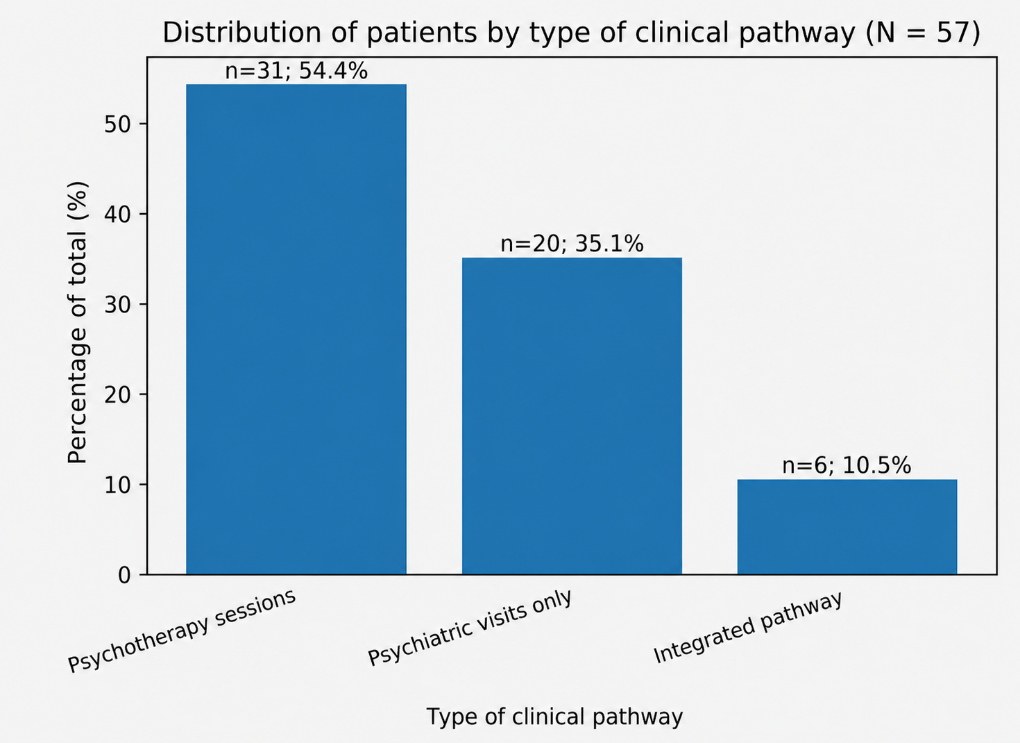
Figure 6 – Type of clinical pathway
The mode of the care pathway showed the following distribution: 39 users through “presa in carico” (in English: care intake) (68.4%) and 18 users through “assunzione in cura” (in English: care management (31.6%), for a total of 57 patients (see Figure 7).
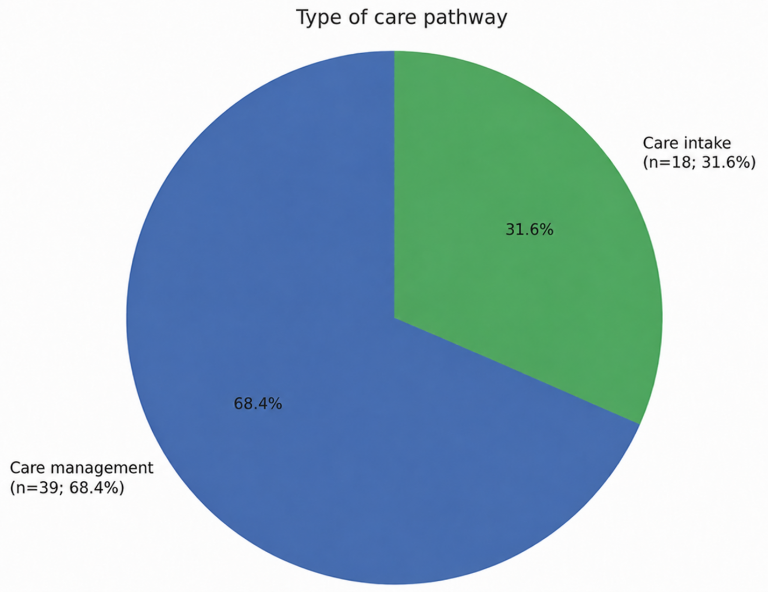
Figure 7 – Type of care pathway
With regard to the distribution of personality disorders in the sample examined, it emerged that, out of a total of 57 patients, 30 had borderline personality disorder (52.6%), 7 had paranoid personality disorder (12.3%), 4 had obsessive-compulsive personality disorder (7.0%), 4 had narcissistic personality disorder (7.0%), 1 had histrionic personality disorder (1.8%), 1 had schizotypal personality disorder (1.8%), 1 had antisocial personality disorder (1.8%), and 9 had personality disorder not otherwise specified, “NOS” (15.8%). A chart visually representing the data just described is provided below (see Figure 8).
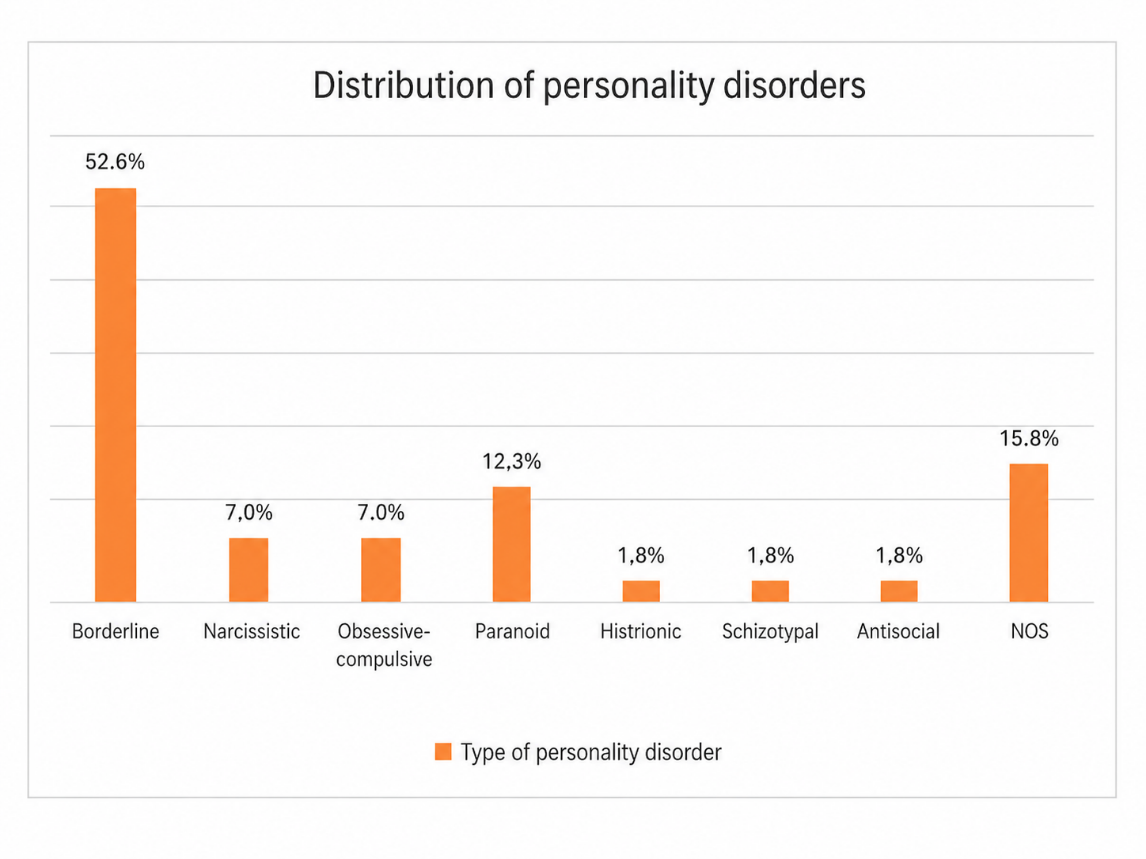
Figure 8 – Type of personality disorder
Among these patients, two had a dual diagnosis with substance use disorder (3.5%).
With regard to pharmacotherapy, it was observed that, in the sample considered, 41 out of 57 patients (71.9%) were receiving pharmacological treatment, mainly consisting of antidepressants, anxiolytics, and mood stabilizers. Only in a more limited proportion of cases was low-dose antipsychotic pharmacological treatment prescribed, mainly during phases of clinical decompensation with paranoid ideation or transient psychotic symptoms, in the presence of marked aggressiveness/impulsivity, or in personality disorders with schizotypal or paranoid traits. The remaining 16 patients (28.1%) were not receiving any pharmacological treatment. Overall, 19 out of 57 patients (33.3%) were taking medication without being concurrently enrolled in a structured psychotherapeutic pathway. The chart is shown below (see Figure 9):
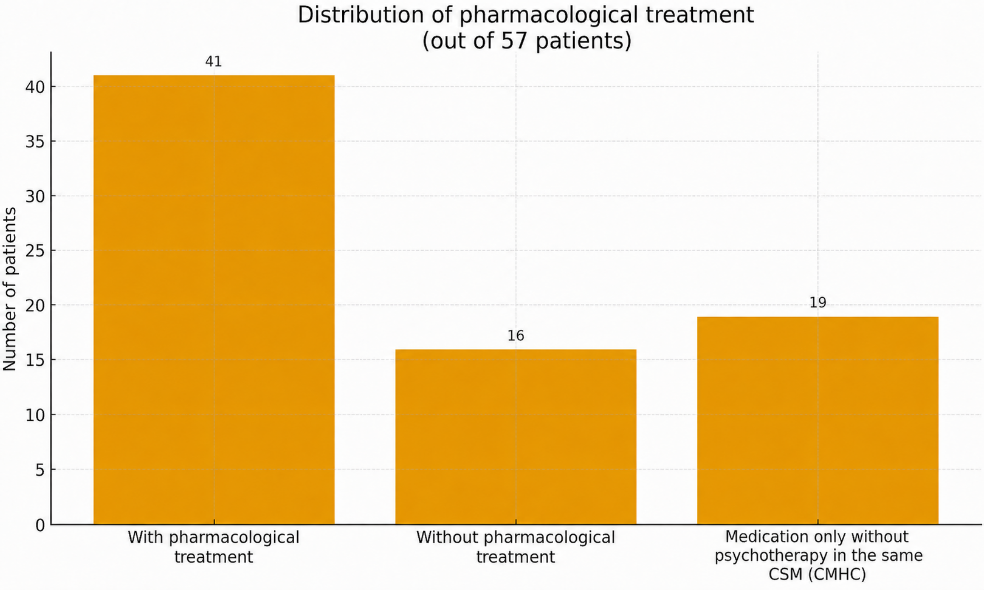
Figure 9 – Distribution of pharmacological treatment
In the sample of 57 patients examined, drop-out occurred in 10 cases (17.5%), whereas 47 patients (82.5%) completed the six-month therapeutic pathway. An illustration of the drop-out rate is presented below (see Figure 10):
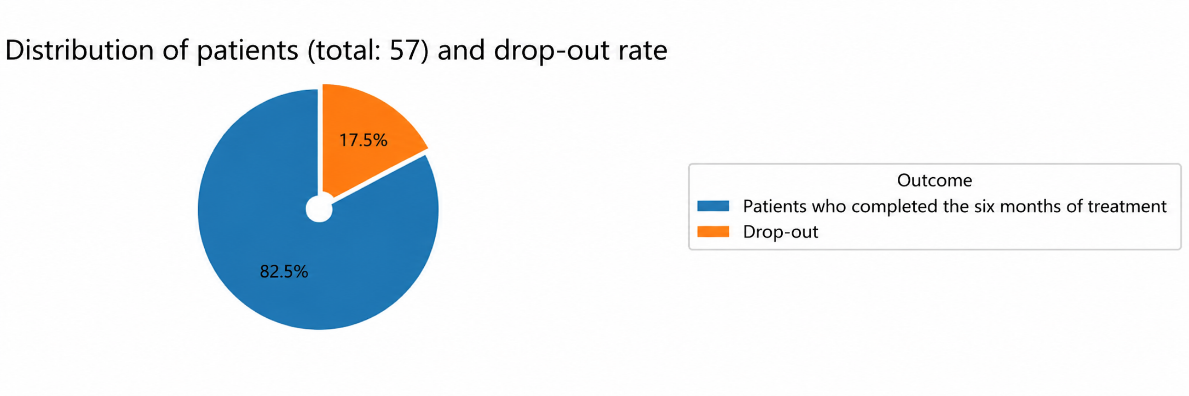
Figure 10 – Drop-out rate
Furthermore, in 5 patients followed exclusively by the psychiatrist, out of the 20 belonging to this subcategory (25%), a low level of engagement emerged, manifested through self-discontinuation of treatment or autonomous modification of pharmacological therapy, explicitly recorded in the notes of the clinical records.
With regard to adherence to psychotherapeutic sessions, in the overall sample of 57 patients, 37 (64.9%) underwent a structured psychotherapeutic pathway with a fixed number of sessions planned over six months: in 7 cases, a cycle of 12 sessions was scheduled, while in 30 cases, a cycle of 24 sessions was planned. In this subgroup (n = 37), a total of 804 sessions were scheduled (mean ≈ 22 sessions per patient), and 580 were actually attended (mean ≈ 16 sessions per patient), with an overall adherence rate of 72.1% of the planned sessions.
Among the 37 patients included in structured psychotherapy cycles, participation thresholds for sessions were distributed as follows (see Figure 11):
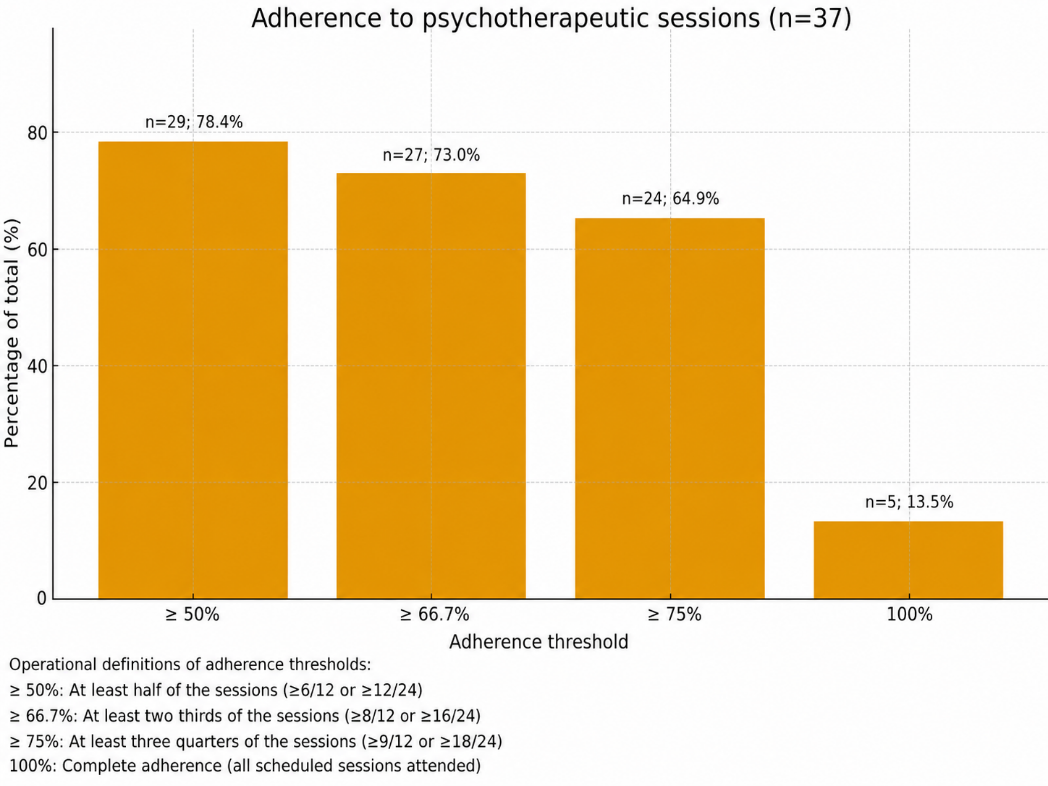
Figure 11 – Adherence to psychotherapeutic sessions
With regard to psychiatric visits, 26 out of 57 patients (45.6%) had a treating psychiatrist and attended at least one follow-up visit during the six-month period considered. Assuming one visit per month as the theoretical reference threshold, namely 6 visits over 6 months, in this subgroup (n = 26) the mean number of follow-up visits attended was 4.46 visits over the six-month period, corresponding to a mean adherence rate of 74.4% compared with the expected number of visits, namely 6 over 6 months. The distribution of participation thresholds for psychiatric visits was as follows (see Figure 12):
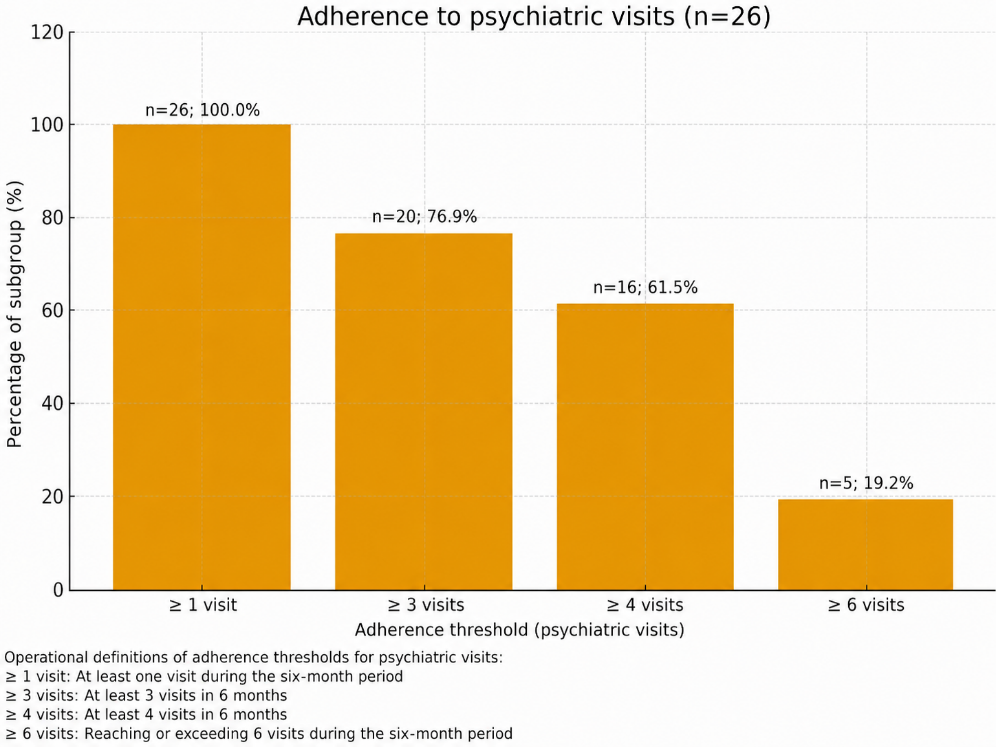
Figure 12 – Adherence to psychiatric visits
The dichotomous variable “children of patients” was also recorded in the study cohort, defined as the presence of at least one parent already followed by the same service.
Of the 57 patients included in the study, 10 had at least one parent already under the care of the service (17.5%). In the subgroup of 37 patients undergoing a structured psychotherapeutic pathway, 9 patients (24.3%) were “children of patients”. All 9 were enrolled in a 24-session cycle; the number of sessions actually attended ranged from 17 to 24, with a mean of approximately 22 sessions out of 24, corresponding to a mean adherence rate of approximately 91.7%. Among these patients, 2 completed all scheduled sessions (24/24), whereas the remaining 7 attended between 21 and 23 sessions. The tenth patient with a parent under care, although not participating in a structured psychotherapeutic cycle, attended 2 psychiatric visits out of a theoretical threshold of 6 follow-up visits over the six-month period (33.3%).
Information was also collected regarding E.D. or S.P.D.C. admissions during the treatment period. Among the 57 patients included in the study, 10 accesses were recorded (17.5%). Of these, 7 concerned patients enrolled in the psychotherapeutic pathway (12.3%), whereas 3 involved patients followed by the psychiatrist (5.3%).
With regard to HoNOS and VGF values (in English: Global Assessment of Functioning – GAF), the clinical sample showed the following distribution, which can be grouped as follows (see Figures 13 and 14):
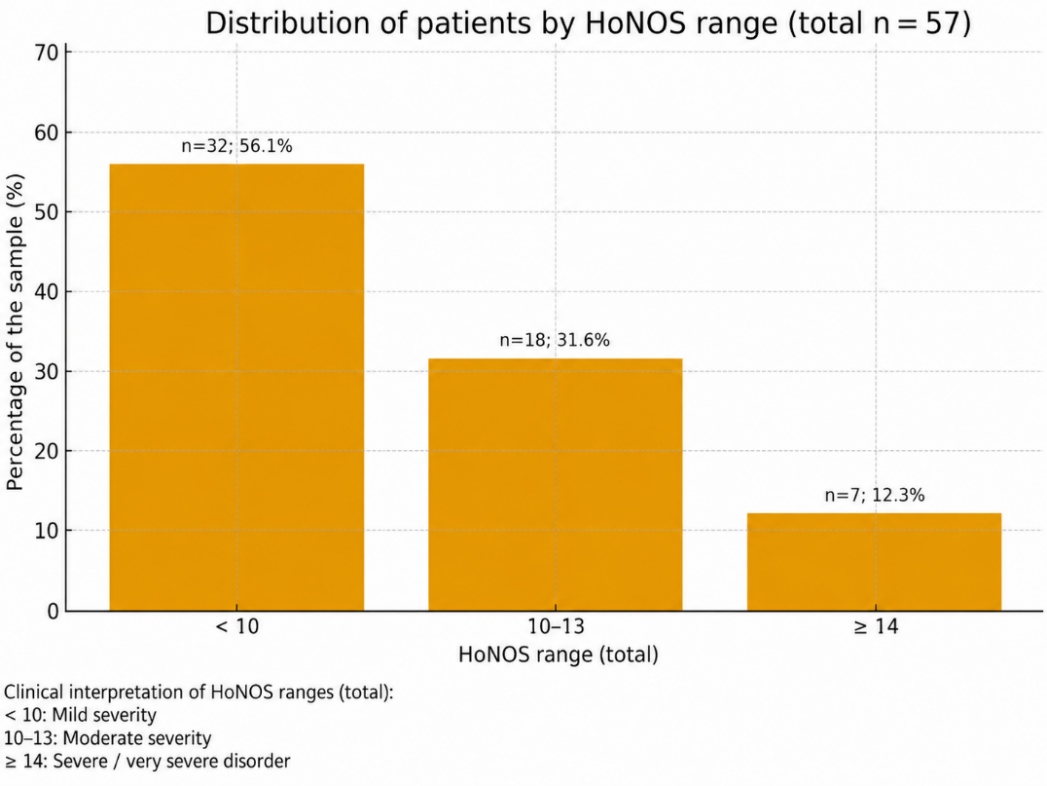
Figure 13 – Distribution of patients by HoNOS range
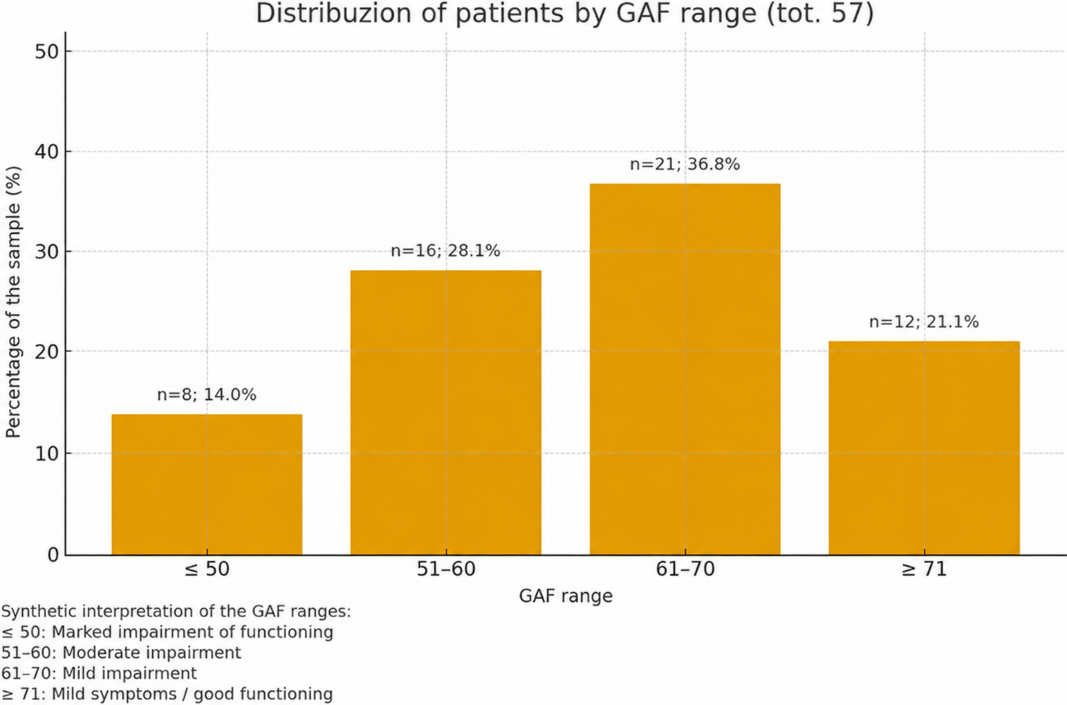
Figure 14 – Distribution of patients by GAF range
The variables of clinical severity and global functioning of the subjects, measured using the HoNOS and GAF indicators reported above, can be related to session attendance and therefore to treatment adherence. In the subgroup of patients undergoing psychotherapy (n = 37), the mean HoNOS score was approximately 9, with levels of session adherence that were substantially similar across the different severity ranges; the mean GAF score was 65, with no defined gradient between functioning and adherence. In the subgroup followed mainly through psychiatric follow-up visits (n = 26), the mean HoNOS score was approximately 9.7, with higher adherence among patients with HoNOS <10 and lower adherence among patients with HoNOS ≥10; the mean GAF score was 57.5, and lower GAF values were associated with poorer adherence to follow-up visits.
Discussion
The aim of this study was to investigate levels of adherence and therapeutic continuity among patients with personality disorders followed at a CMHC, with particular attention to differences between psychotherapeutic and psychiatric pathways.
For the comparison of the clinical and organizational data collected during the six-month observation period, the following indicators were used: session attendance, drop-out rates, degree of psychopathological complexity and global functioning (HoNOS and GAF indicators). This made it possible to identify, on the one hand, the main differences in terms of treatment adherence and, on the other hand, the factors associated with greater or lower treatment continuity.
Overall, the data emerging from the present observational study are in line with national and international literature, according to which personality disorders – particularly BPD and other Cluster B disorders – constitute clinical conditions with a high impact on mental health services, characterized by frequent use of hospitalizations, intensive treatments, and community-based resources (Chiesa et al., 2000; Paris, 2004; Mehlum & Jensen, 2006; Dimaggio & Semerari, 2015; Nicolò & Pompili, 2021). Indeed, in our study it was found that, among patients undergoing treatment, the relatively low number of requests for access to the E.D. or hospital admissions to the S.P.D.C. showed that, in most cases, recourse to emergency services was not necessary, despite the presence of psychopathological conditions characterized by emotional instability, impulsivity, and vulnerability to possible exacerbations. From this perspective, it may be hypothesized that treatment continuity, especially when a stable and structured therapeutic framework was present, performed a clinically containing function capable of limiting, at least in a significant proportion of cases, an escalation toward acute clinical conditions.
With regard to the level of session attendance, a clinically significant finding emerged in the sample examined: in patients for whom a structured psychotherapeutic cycle of 12 or 24 sessions had been planned, treatment adherence remained overall at high levels. This evidence suggests that the definition of a structured psychotherapeutic pathway, embedded within a clear therapeutic framework in terms of goals, setting, and session frequency, is associated with more stable participation over time. This finding is consistent with structured psychotherapeutic models for borderline personality disorder, which attribute a central role to the stability of the setting and to the continuity of the therapeutic relationship (Langs, 1979; Bateman & Fonagy, 2006). This finding was also confirmed in the study by Mirhaj Mohammadabadi et al. (2022), in which adherence to psychotherapy in patients with BPD was overall higher than that observed in exclusively pharmacological treatments.
Returning to our sample, with regard to adherence to psychiatric visits, the pattern suggests fairly regular pharmacological follow-up among patients for whom a monitoring pathway through psychiatric visits had actually been structured, while at the same time showing a certain degree of individual variability in the frequency of follow-up visits. It is particularly interesting to underline that patients followed exclusively by the psychiatrist showed a low level of engagement characterized by self-discontinuation of treatment or autonomous modification of pharmacological therapy, explicitly recorded in the clinical records. Although such behaviours do not formally fall within the category of drop-out, since episodic contact with the service may persist, they nevertheless represent signs of poor adherence and fragility of the therapeutic bond. This finding is confirmed by the scientific literature, which highlights, in personality disorders, a greater vulnerability to non-adherence in treatments based almost exclusively on pharmacotherapy in the absence of structured psychotherapeutic work and a solid therapeutic alliance (Marcum et al., 2013; Sabaté, 2003; Cocchi et al., 2025; Mirhaj Mohammadabadi et al., 2022; Sanza et al., 2023).
With regard to the drop-out indicator, the low rate observed in the present sample appears consistent with meta-analytic evidence documenting, in personality disorders, treatment discontinuation rates significantly higher than those observed in other psychopathological conditions (Swift & Greenberg, 2012), as also reported by more recent literature in the psychotherapeutic field (Busmann et al., 2019). At the same time, the observed finding also seems to indicate a fair capacity of the service to maintain therapeutic engagement over time, especially when compared with studies reporting considerably higher drop-out rates (Sanza et al., 2023), particularly in treatments aimed at Cluster B disorders.
However, it should be emphasized that the observation period, limited to six months, does not allow the detection of discontinuations that may occur in later phases, especially in longer-term treatment pathways.
HoNOS and GAF scores, instead, allow treatment adherence to be interpreted not only in quantitative terms, but also in relation to symptomatology, global functioning and type of personality disorder. When the data on session adherence are related to these scores, no linear gradient emerges; rather, adherence remains relatively good across the three severity ranges considered. Similarly, differences of a few points in global functioning, as measured by GAF, do not appear, in themselves, to clearly discriminate between those who maintain the pathway and those who discontinue it. Instead, when diagnosis and clinical severity are cross-examined, it emerges that in borderline and paranoid personality disorders, adherence to psychotherapy remains good even at moderate levels of severity, whereas in narcissistic and obsessive-compulsive personality disorders, adherence appears more fragile, regardless of symptom intensity, which is lower.
A partially different picture emerges when considering the subgroup of patients enrolled in pathways based exclusively on scheduled psychiatric visits, in the absence of a structured psychotherapeutic intervention. In this context, the relationship between clinical severity and treatment adherence appears more marked: patients with lower HoNOS scores, indicative of mild symptomatology, show more regular participation in pharmacological follow-up visits. Conversely, subjects falling within the moderate or high severity ranges tend to show a significant reduction in visit attendance, with adherence levels averaging around two-thirds of scheduled appointments. This pattern differs from that observed among patients enrolled in psychotherapeutic pathways, for whom the severity of the symptomatic profile did not appear to significantly affect session adherence. A similar tendency also emerges in relation to global functioning, assessed through the GAF: lower scores, reflecting impairment in social, relational, and occupational functioning, are associated with greater instability of adherence in pathways based exclusively on psychiatric visits. Overall, these findings suggest that, in the absence of a structured psychotherapeutic container, greater clinical complexity represents a vulnerability factor for treatment continuity.
Overall, therefore, these data support the idea that treatment adherence in personality disorders cannot be reduced merely to symptom severity, but represents the dynamic outcome of global functioning, personological characteristics, quality of the therapeutic alliance, and organizational modalities of treatment. Indeed, in these cases, structured psychotherapy with a secure working framework (Langs, 1979) appears to promote good continuity of care even among patients with moderate or more severe clinical presentations, whereas, in patients receiving only psychiatric visits, more marked symptoms and greater impairment in global functioning are associated with less regular follow-up. With reference to treatment modalities, national and international guidelines converge in identifying structured psychotherapy as the treatment of choice for personality disorders, assigning pharmacotherapy a circumscribed role in supporting the management of acute phases or specific comorbid conditions (APA, 2001; Dimaggio & Semerari, 2015; PDTA-Regione Lazio, 2015; Storebø et al., 2020; Setkowski et al., 2023). In particular, current guidelines and evidence (NICE, 2009; Leichsenring et al., 2024) do not support the use of pharmacotherapy as the primary treatment for the structural aspects of the disorder, therefore recommending prudent and time-limited use. In line with this evidence, the recent ASL Roma 1 guidelines for the treatment of alcohol use disorder also emphasize the central role of psychotherapeutic interventions, recommending their use over no treatment and other psychosocial interventions, as well as within integrated treatment models including pharmacotherapy (Istituto Superiore di Sanità, 2024).
In the patient group examined, however, the distribution of treatment modalities appears partially misaligned with these recommendations: approximately 72% of patients were receiving pharmacological treatment, and 20 of the 57 patients were followed exclusively through pharmacological psychiatric follow-up, without participation in a structured psychotherapeutic pathway. This pattern is consistent with recent studies (Pascual et al., 2021; Cocchi et al., 2025), which document a broad and persistent use of pharmacotherapy in patients with BPD, often exceeding evidence-based indications. In particular, it has been highlighted that, in a twenty-year analysis of outpatients with BPD, the prescription of psychotropic medications remained high even in the absence of psychiatric comorbidities, suggesting a tendency toward medicalization that does not always reflect guideline recommendations (Pascual et al., 2021). Overall, these findings raise an issue of clinical and organizational relevance, suggesting the possible existence of a systematic gap between evidence-based recommendations and care practices in community services, with potentially relevant implications in terms of therapeutic appropriateness, continuity of care, and quality of intervention in patients with BPD (Sanza et al., 2023; Zanarini et al., 2015). This discrepancy appears even more significant when considering that the recent Italian community-based guidelines previously cited also emphasize the need for integrated and multidisciplinary interventions, in which psychotherapy represents a central element of treatment and not an accessory intervention (Istituto Superiore di Sanità, 2024).
Returning to the analysis of the data emerging from the sample examined, an element of particular interest concerns narcissistic personality disorder, which, despite representing a numerically small subgroup, showed the highest drop-out rate in relation to sample size. Specifically, 3 out of 4 patients diagnosed with narcissistic personality disorder discontinued treatment early, showing a higher discontinuation rate than that observed among the other personality disorder diagnoses represented in the sample. Although this is a very small subgroup and therefore not suitable for robust statistical inferences, the finding appears consistent with what was discussed in the theoretical section of the thesis on pathological narcissism and, in particular, on the construct of malignant narcissism coined by Otto Kernberg (1984). Kernberg’s reviews, indeed, emphasized how the most severe forms of narcissistic functioning, characterized by fragile grandiosity, manipulative relational strategies, and marked sensitivity to criticism, were associated with a high risk of acting-out and ruptures in the therapeutic alliance. In order to mitigate this risk, the use of clear treatment contracts, close risk monitoring, and particular attention to the management of transference and countertransference have been indicated (ibidem).
In the largest subgroup, consisting of patients with borderline personality disorder, the adherence findings appear consistent with those reported by Mirhaj Mohammadabadi et al. (2022), who found greater adherence and retention in psychotherapy than in pharmacotherapy among these patients. Similarly, in the personality disorder not otherwise specified (NOS) group, adherence remained close to the overall adherence level, suggesting adequate continuity within the treatment pathway when psychotherapy was activated, although individual variability in session frequency was greater.
In other diagnostic groups, differences were more marked, although this should be interpreted with caution given the small sample size: patients with paranoid personality disorder show high mean adherence rate, while patients with obsessive-compulsive personality disorder attend slightly more than half of the scheduled sessions, therefore showing relatively low adherence compared with the other types of disorder. This limited finding may represent a deviation from what has been observed in larger studies, in which greater overall adherence has been associated with psychological profiles characterized by anxiety, greater compliance with therapeutic indications, and rule-oriented attitudes, traits frequently described in Cluster C disorders (Cocchi et al., 2025).
Lastly, the two patients diagnosed with schizotypal and histrionic personality disorder, respectively, showed very high levels of participation; however, the extremely small size of these subgroups precludes any generalization.
Overall, the results suggest that adherence in personality disorders is a complex dimension, determined by the interplay between personological factors, therapeutic alliance, and characteristics of the setting (Mirhaj Mohammadabadi et al., 2022; Szabó et al., 2022; Langs, 1979). Within this framework, the alliance and the quality of the therapeutic relationship – more easily cultivated in continuous psychotherapeutic pathways – assume a central role, as shown by studies indicating alliance ruptures, therapist changes, and poor sharing of treatment goals among the main predictors of discontinuation (Safran & Muran, 2000; Hauber et al., 2020; Steuwe et al., 2017, 2023).
From a sociodemographic perspective, a particularly interesting finding emerging from the present study concerns the variable “children of patients”, which appears to be associated with notably high levels of psychotherapeutic adherence. In this subgroup, indeed, mean participation of approximately 91% of scheduled sessions was observed, indicating marked continuity in the therapeutic pathway. This evidence is consistent with what was reported in the study by Cocchi et al. (2025), in which the presence of psychiatric family history was associated with significantly higher adherence rates compared with patients without such family history, thus emerging as a potential protective factor. In particular, the authors suggested that exposure to family contexts already involved in care pathways may promote greater awareness of illness, a more realistic perception of the benefits of treatment, and reduced stigma associated with psychological intervention, all of which may contribute to strengthening therapeutic engagement (Cocchi et al., 2025).
With regard, instead, to the correlation between educational level and therapeutic adherence, it appears consistent with what has been reported in the literature regarding the role of educational level as a possible protective factor against the risk of discontinuation, associated with a greater ability to understand therapeutic indications and to use the resources offered by the service in a more informed way (ibidem).
Conclusions
The present observational study showed that, in patients with personality disorders – particularly borderline personality disorder – participation in a structured psychotherapy pathway, framed within a clear, predictable setting perceived as safe, was associated with greater and more stable treatment adherence compared with pathways involving psychiatric follow-up only.
In many community-based service contexts, structured psychotherapy may be less accessible than pharmacological interventions; however, the data from the present study suggest that these pathways represent a central element in continuity of care. This evidence also appears consistent with recent recommendations from national and community-based guidelines, which identify psychotherapeutic interventions and integrated multidisciplinary models as the core of care pathways for complex disorders, highlighting the limitations of approaches based exclusively on pharmacotherapy (Istituto Superiore di Sanità, 2024). From this perspective, the results may provide the multiprofessional team with useful guidance in treatment planning, in the definition of clinical priorities, and in the organization of integrated psychiatrist-psychotherapist pathways.
However, the study presents some relevant limitations, including the small sample size, the descriptive design, and the observation period limited to six months, which do not allow robust causal inferences to be drawn or the results to be generalized to the entire population of patients with personality disorders. Indirect data collection, while protecting the therapeutic dyad and reducing reactive biases, did not allow the systematic assessment of crucial dimensions such as insight, motivation, perceived therapeutic alliance, and attitudes toward pharmacological treatment. Future studies, with larger participant group, longer follow-up periods, and standardized instruments for assessing adherence and alliance, may provide a more articulated picture.
Despite these limitations, this single study offers, although in a limited way, a community-based snapshot of the course of therapeutic adherence among patients with personality disorders and provides a basis for possible further reflections, including proposals for organizational improvement, in line with national and international recommendations on community mental health.
In conclusion, all this allows us to underline the importance of individual psychotherapeutic pathways, which today have become almost a rarity, given the shortage of clinical psychologists working within the Public Health Service.
Bibliography
American Psychiatric Association (APA), (2001), Practice guideline for the treatment of patients with borderline personality disorder, American Psychiatric Association.
American Psychiatric Association (APA), (2013), Diagnostic and statistical manual of mental disorders (5th ed.), American Psychiatric Publishing.
Bateman, A. W., & Fonagy, P., (2006), Mentalization-based treatment for borderline personality disorder: A practical guide, Oxford University Press.
Busmann, M., Wrege, J., Meyer, A. H., Teismann, T., & Grosse Holtforth, M. (2019), Alternative model of personality disorders (DSM-5) predicts dropout in inpatient psychotherapy for patients with personality disorder. Frontiers in Psychology, 10, 952.
Chiesa, M., Drahorad, C., & Longo, S. (2000), Early termination of treatment in personality disorder treated in a psychotherapy hospital: Quantitative and qualitative study, British Journal of Psychiatry, 177(2), 107–111.
Cocchi, M., Girone, N., Leonardi, M., Achilli, F., Benatti, B., & Dell’Osso, B. (2025), Evaluation of adherence to pharmacological treatment in a large sample of patients with personality disorder, Clinical Neuropsychiatry, 22(4), 279–286.
Dimaggio, G., & Semerari, A. (2015), I disturbi della personalità: modelli e trattamento. Carocci.
Fonagy, P., & Target, M. (2001), Attachment and reflective function: Their role in self-organization. Development and Psychopathology, 13(3), 679–700.
Fonagy, P., Gergely, G., Jurist, E. L., & Target, M. (2002), Affect regulation, mentalization, and the development of the self. Other Press.
Istituto Superiore di Sanità, (2024), Linee guida per il trattamento del disturbo da uso di alcol (DUA), Sistema Nazionale Linee Guida (SNLG).
Kernberg, O. F. (1984), Severe personality disorders: Psychotherapeutic strategies, Yale University Press.
Leichsenring, F., Fonagy, P., Heim, N., Kernberg, O. F., Leweke, F., Luyten, P., Salzer, S., Spitzer, C., & Steinert, C. (2024), Borderline personality disorder: A comprehensive review of diagnosis and clinical presentation, etiology, treatment, and current controversies, World Psychiatry, 23(1), 4-25.
Mehlum, L., & Jensen, A. I. (2006), Suicidal atferd ved emosjonelt ustabil personlighetsforstyrrelse [Suicidal behaviour in borderline personality disorder]. Tidsskrift for Den norske legeforening, 126, 2946-2949.
Ministero della Salute (2023), Piano di Azione Nazionale per la Salute Mentale 2025-2030 (DM 27 aprile 2023).
Mirhaj Mohammadabadi, M. S., Mohammadsadeghi, H., Eftekhar Adrebili, M., Partovi Kolour, Z., Kashaninasab, F., Rashedi, V., & Shalbafan, M. (2022), Factors associated with pharmacological and psychotherapy treatments adherence in patients with borderline personality disorder, Frontiers in Psychiatry, 13, 1056050.
National Institute for Health and Clinical Excellence (2009), Borderline personality disorder: Treatment and management (Clinical guideline CG78), NICE.
Nicolò, G., & Pompili, E. (2021), Psichiatria di comunità e servizi territoriali, Raffaello Cortina Editore.
Paris, J. (2004), Half in love with easeful death: The meaning of chronic suicidality in borderline personality disorder, Harvard Review of Psychiatry, 12(1), 42-48.
Pascual, J. C., Martín-Blanco, A., & Soler, J. (2021), Twenty-year trends in the psychopharmacological treatment of outpatients with borderline personality disorder: A cross-sectional naturalistic study in Spain, CNS Drugs, 35(9), 1023–1032.
Pec, O., Bob, P., Pec, J., & Ludvikova, I. (2021), Psychodynamic day treatment program for borderline personality disorder: Factors that predict outcome and dropout: An observational study. Medicine, 100(11), e25186.
Safran, J. D., & Muran, J. C. (2000), Negotiating the therapeutic alliance: A relational treatment guide, Guilford Press.
Sabaté, E. (Ed.). (2003), Adherence to long-term therapies: Evidence for action, World Health Organization.
Sanza, M., Monzio Compagnoni, M., Caggiu, G., Allevi, L., Barbato, A., Campa, J., Carle, F., D’Avanzo, B., Di Fiandra, T., Ferrara, L., Gaddini, A., Saponaro, A., Scondotto, S., Tozzi, V. D., Lorusso, S., Giordani, C., Corrao, G., & Lora, A. (2023), Assessing the quality of the care offer for people with personality disorders in Italy: The QUADIM project, International Journal of Mental Health Systems, 17, Article 59.
Setkowski, K., Palantza, C., van Ballegooijen, W., Gilissen, R., Oud, M., Cristea, I. A., Noma, H., Furukawa, T. A., Arntz, A., van Balkom, A. J. L. M., & Cuijpers, P. (2023), Which psychotherapy is most effective and acceptable in the treatment of adults with a (sub)clinical borderline personality disorder? A systematic review and network meta-analysis, Psychological Medicine.
Steuwe, C., Berg, M., Driessen, M., & Beblo, T. (2017), Impact of therapist change after initial contact and traumatic burden on dropout in a naturalistic sample of inpatients with borderline pathology receiving dialectical behavior therapy, Borderline Personality and Emotion Dysregulation, 4(14).
Steuwe, C., Berg, M., Driessen, M., & Beblo, T. (2023), Therapeutic alliance and dropout in patients with borderline pathology receiving residential dialectical behavior therapy, BMC Psychiatry, 23(1), 605.
Storebø, O. J., Stoffers-Winterling, J. M., Völlm, B. A., Kongerslev, M. T., Mattivi, J. T., Jørgensen, M. S., Faltinsen, E., Todorovac, A., Sales, C. P., Callesen, H. E., Lieb, K., & Simonsen, E. (2020), Psychotherapies for borderline personality disorder. Cochrane Database of Systematic Reviews, 2020(5), Article CD012955.
Swift, J. K., & Greenberg, R. P. (2012), Premature discontinuation in adult psychotherapy: A meta-analysis, Journal of Consulting and Clinical Psychology, 80(4), 547–559.
Szabó, G., Szita, B., Fornaro, M., Döme, P., Várbíró, S., & Gonda, X. (2022), A terápiás adherencia és a személyiség kapcsolata [The relationship between therapeutic adherence and personality], Neuropsychopharmacologia Hungarica.
Zanarini, M. C., Frankenburg, F. R., Reich, D. B., Conkey, L. C., & Fitzmaurice, G. M. (2015), Treatment rates for patients with borderline personality disorder and other personality disorders: A 16-year study. Psychiatric Services, 66(1), 15–20.


